FAQs About Traveling for a Facelift
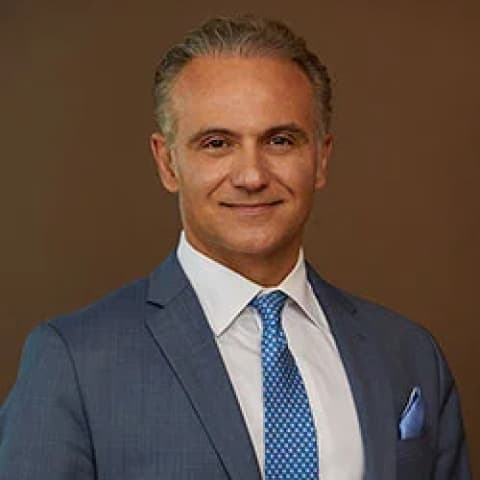
When it comes to choosing a surgeon for your facelift, expertise matters more than convenience, and proximity shouldn’t be the deciding factor. Dr. Kiya Movassaghi, a Harvard-trained facial plastic surgeon and Past President of The Aesthetic Society, regularly works with patients who travel to Eugene specifically for his expertise.
While traveling for a facelift has become quite common—if not the new norm—there are some logistics to consider when factoring travel into your facelift plan. In this post, Dr. Movassaghi answers some common questions about traveling for facelift surgery.
Do I need to travel for an initial consultation, or can it be done virtually?
Your initial consultation can be done virtually, but you’ll need to travel for an in-person visit before surgery.
Virtual consultations allow you to meet Dr. Movassaghi, discuss your goals, and get a preliminary assessment from home. This is a great way to determine if the surgeon’s approach aligns with what you’re looking for without committing to travel. The doctor will likely also review your medical history and determine if you’re a good candidate for the procedure.
At Dr. Movassaghi’s practice, virtual consultations are conducted through secure telehealth platforms and last 20-30 minutes.
Still, an in-person consultation is required before the surgery. This is when Dr. Movassaghi examines you in detail, takes photos, and goes over the final surgical plan with you.
Is it worth traveling for a facelift, or should I choose a local surgeon?
If you’ve found a surgeon whose results consistently impress you, traveling is absolutely worth it. A facelift will be with you for 10-15 years. Choosing a surgeon based solely on location can be a costly mistake—both financially and emotionally. What matters most is finding someone with proven expertise, a track record of natural-looking results, and an approach that aligns with your aesthetic goals.
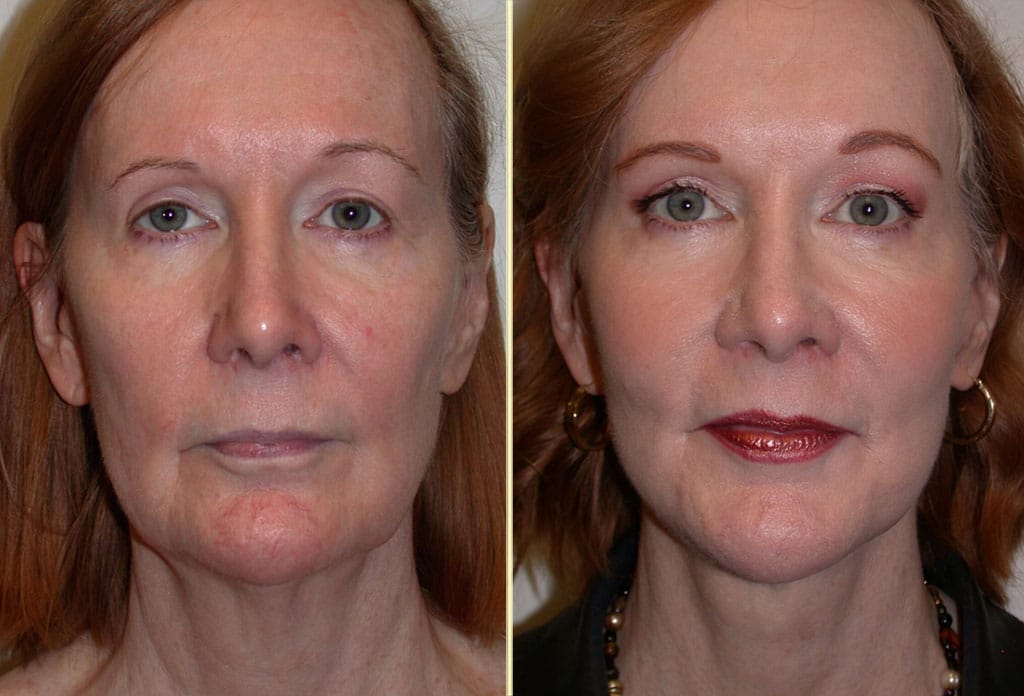
The best facelift surgeons attract patients from across the country because their results speak for themselves. When you see consistent before-and-after photos that showcase natural, refreshed outcomes (not pulled or overdone), that’s a surgeon worth the trip. Dr. Movassaghi’s innovative 3-Level Facelift System has been featured in national publications and attracts patients from around the world. That level of specialized expertise isn’t available everywhere.
Related: New Beauty: Dr. Movassaghi’s 3-Level Facelift Is ‘Redefining the Field of Facial Rejuvenation’
How do I know if a plastic surgeon is worth traveling for?
Look for board certification, specialization in facial surgery, innovative techniques, natural results, excellent reviews, and professional recognition.
Specifically, you want a surgeon who:
- Is certified by the American Board of Plastic Surgery
- Specializes in facelifts and performs them regularly (rather than someone who does a little bit of everything)
- Has developed or refined techniques and is recognized as a leader in their field
- Has before-and-after galleries showing natural, refreshed results across different face shapes and ages
- Receives online reviews in which patients mention feeling heard and cared for throughout the process
- Holds leadership positions in professional societies or has been featured in medical journals
Dr. Kiya Movassaghi is a board-certified plastic surgeon with 20+ years of experience. He is nationally respected and has served as President of The Aesthetic Society. With his extensive surgical expertise and an exceptional aesthetic eye, he helps patients achieve stunning, natural-looking results.
How far in advance should I plan a trip for facelift surgery?
Plan to book your surgery a minimum of 2-3 months in advance, though 3-6 months is ideal. Top facelift surgeons often have wait times of several months. If you’ve found someone whose work consistently impresses you, expect that others have noticed too.
You’ll also need time to coordinate flights or driving, accommodations, time off work, medical clearance from your primary care physician, and arranging for someone to accompany you. The more advance notice you have, the better rates you’ll find on hotels and flights, and the less stressful the planning process will be.
How long will I need to stay near my surgeon after a facelift?
If you are more than a short car trip away, plan to stay in the area for about 7-10 days after your facelift. This timeline is essential for your safety and results. You’ll have at least one or two follow-up appointments during the first week when Dr. Movassaghi will check your incisions, remove any drains if applicable, and monitor your healing. These appointments are crucial for catching any issues early.
By days 7-10, most patients have their stitches removed and get clearance to travel home. You’ll still be swollen and bruised, but you’ll be past the most critical healing phase.
The exact timeline varies based on your procedure. Dr. Movassaghi’s 3-Level System ranges from Level I (less invasive, shorter recovery) to Level III (comprehensive, longer recovery), so your timeline will be personalized to your specific procedure.
Can I fly after facelift surgery?
Yes, but most surgeons only clear patients to fly 7-10 days after surgery, once initial healing is confirmed.
Plan to wait on flying until Dr. Movassaghi has examined you and specifically cleared you to travel. If there’s any concern about your healing, we may ask you to stay a few extra days. The first week is the most critical healing period, and Dr. Movassaghi needs to monitor your incisions and ensure there are no complications before you’re far from his care.
When you’re cleared to fly, you’ll still have visible swelling and likely some bruising. Book an aisle seat so you can get up and move around, bring a neck pillow for support, stay hydrated, and keep your head elevated. Choose flexible tickets if possible in case of unexpected delays in healing.
Read more: Will my ears look different after a facelift?
Will I need someone to accompany me if I’m traveling for a facelift?
Yes. You cannot and should not travel alone for facelift surgery. You’ll be under anesthesia during your procedure, which means you cannot drive afterward. You’ll need someone to drive you from the surgical facility to your accommodations and stay with you around the clock for the first 24-48 hours.
During this time, you’ll be groggy from anesthesia, on pain medication, and potentially dealing with drains or bandages. Having someone there to help with basic tasks, monitor your condition, remind you to take medications, and accompany you to follow-up appointments isn’t optional—it’s a safety requirement.
Your companion can be a spouse, partner, family member, close friend, or a professional recovery nurse if family isn’t available.

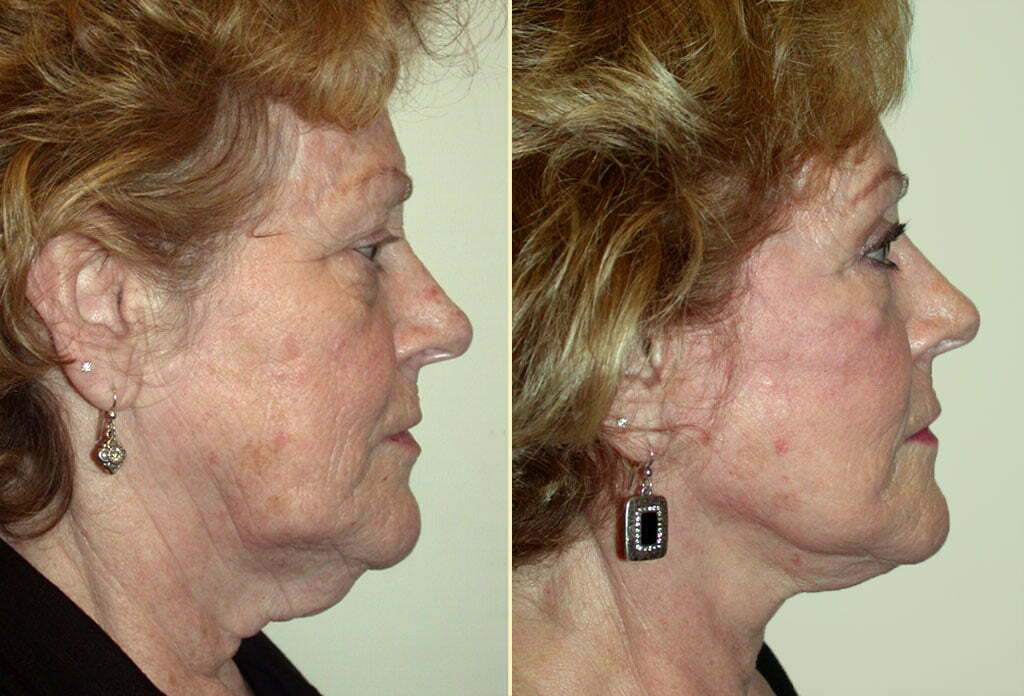
“Thank you for the ten years you have given back to me. I can now act as young as I feel and not look as silly as I would have otherwise. My reflection was one of an old lady that I was not yet ready for. I enlisted my stalwart husband and faithful friend to interview several of Eugene’s plastic surgeons. When we met with you we knew we had found the best. My friends who don’t know about the facelift compliment me on my new hairdo and how much younger it makes me look.”
How are follow-up appointments handled when you live far away?
You’ll have in-person appointments during your 7-10 day stay, then virtual follow-ups once you’re home. The in-person appointments during your first week are non-negotiable—they must be done face-to-face. Once you return home, many surgeons offer virtual check-ins via secure video platforms where you can show your incisions, discuss any concerns, and get guidance without traveling back.
Most surgeons like to see patients at key milestones. At Movassaghi Plastic Surgery, we schedule follow-ups at 2 weeks, 1 month, 3 months, 6 months, and 1 year post-surgery. Dr. Movassaghi will work with you to determine which of these appointments can be conducted virtually and which require in-person visits. You’ll receive guidance on taking photos for Dr. Movassaghi’s remote assessment between appointments. If needed, we can also coordinate with a provider near your home for in-person checks, and you’ll have 24/7 access to our on-call team if any concerns arise.
Dr. Movassaghi’s office has extensive experience working with patients from across the country and has refined follow-up protocols to ensure traveling patients receive the same level of care as local patients.
What happens if there’s a complication after I return home?
Most post-operative concerns can be addressed through a phone call or virtual visit, and true emergencies are very rare. The majority of questions—e.g. about swelling, scars, or skincare—can be handled remotely. You’ll have direct access to your surgical team, and they’re experienced at triaging concerns from a distance.
Serious complications like infection or hematoma are uncommon with modern techniques and proper post-operative care. When they do occur, they typically happen within the first few days when you’re still near Dr. Movassaghi.
Before you leave, we will give you detailed instructions on warning signs to watch for and exactly what to do if you notice them. This might include contacting the office immediately, seeing a local ER for evaluation while Dr. Movassaghi coordinates your care remotely, or in rare cases, flying back for an in-person assessment.
What are the additional expenses when traveling for a facelift?
Beyond the surgery itself, you’ll need to budget for accommodations, travel, meals, and companion expenses. Here are some things to consider when planning:
- Accommodations: You’ll need lodging for 7-10 nights near Dr. Movassaghi’s office. Hotels, short-term rentals, or Airbnbs are common options. Nearby hotels include Inn at the 5th, Gordon Hotel, Hyatt at Oakway, and Valley River Inn.
- Travel: Whether you’re flying or driving, factor in round-trip transportation costs. If flying, remember you’ll need flexible tickets since your return date depends on Dr. Movassaghi clearing you to travel.
- Companion expenses: Your companion will need accommodations (or will share yours), meals, and their own travel costs. Some patients factor in compensating a friend or family member for taking time off work.
- Meals: You’ll want soft, easy-to-eat foods during early recovery. Budget for takeout and delivery since you won’t be up for grocery shopping or cooking.
- Recovery supplies: Extra pillows for elevation, ice packs, entertainment for downtime, and transportation to follow-up appointments if you’re not within walking distance.
A facelift is a 10-15 year investment in your appearance. If traveling to see an exceptional surgeon means the difference between results you love and results you regret, the additional travel expenses are a small price to pay compared to the cost—financial and emotional—of being unhappy with your outcome.
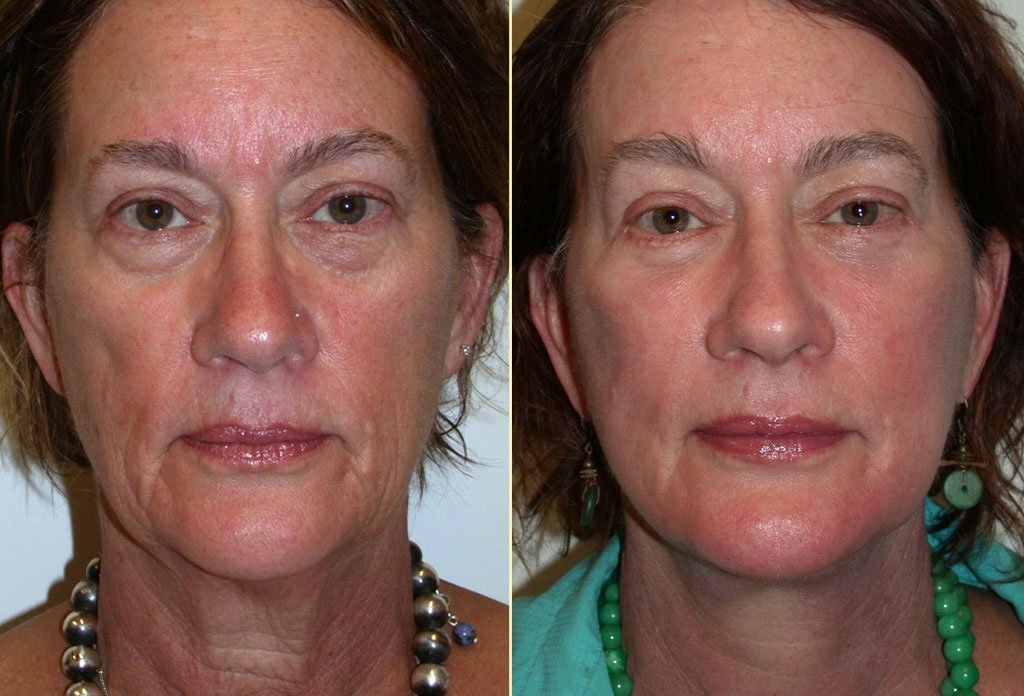
Dr. Movassaghi offers virtual consultations for patients nationwide (and beyond). With over 20 years of experience, specialized training from Harvard, and national recognition as a leader in facial rejuvenation, he’s helped countless patients achieve natural, beautiful results—many of whom traveled specifically to his Eugene plastic surgery center to work with him.