Deep Plane Facelift · Portland Patients
Results that make it worth the drive from Portland.
Portland patients researching a deep plane facelift are usually looking for a specific depth of surgical expertise. Many of them find it about two hours south, in Eugene, with Dr. Kiya Movassaghi—a Harvard-trained, board-certified plastic surgeon, Fellow of the American College of Surgeons, and Past President of The Aesthetic Society.
To start from home, you can request a virtual consultation, and our team will coordinate travel and scheduling from there.

A technique that rewards research
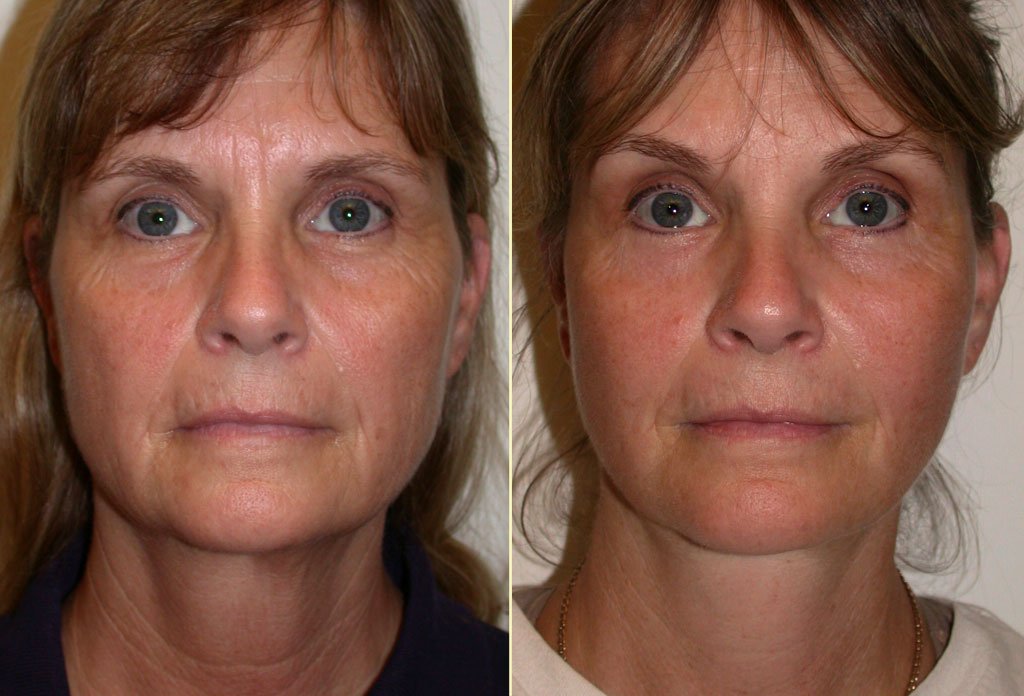
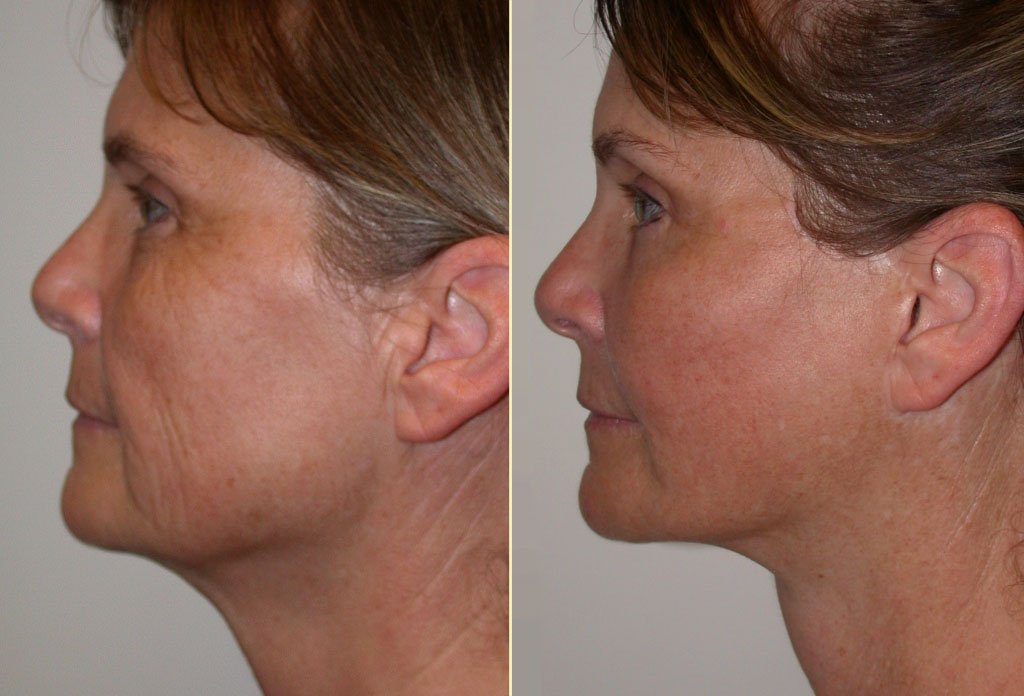
“…a well-executed deep plane result tends to look natural in motion, rather than tight or pulled.”
The deep plane facelift is one of the most technically demanding procedures in facial surgery. It asks more of the surgeon than a traditional lift, and patients who take the time to understand why tend to become very deliberate about choosing their surgeon. (You can find our blog here about what to look for in a deep plane facelift surgeon.)
Dr. Movassaghi routinely works in the deep plane, releasing the retaining ligaments that anchor the face and repositioning the deeper fat pads and muscle as a single, composite unit. The result relies on structural repositioning rather than skin tension, so a well-executed deep plane result tends to look natural in motion, rather than tight or pulled.
That approach is not available from any plastic surgeon. For many Portland-area patients, the search for a surgeon who performs it routinely, and who can explain the trade-offs honestly, is what turns a two-hour drive into an easy decision.
The Difference
Deep plane vs. SMAS: what actually differs
Both techniques go beneath the skin, and both can produce beautiful results in the right patient. The difference is depth, which determines how the face moves and how long the result holds.
Deep plane facelift
- What moves: The skin, fat, and SMAS layer are lifted together as one composite unit, and the facial retaining ligaments are released.
- Best suited for: More advanced skin laxity, midface descent, and deeper folds — often patients in their 50s and beyond.
- The result: A vertical lift with restored volume that moves naturally, achieved without relying on skin tension.
SMAS facelift
- What moves: The superficial muscular layer (the SMAS) is tightened and repositioned, while the deeper ligaments are generally left intact.
- Best suited for: Earlier or more moderate changes, sometimes in younger patients seeking more limited correction.
- The result: A refreshed lower face and jawline with a lateral lift, and a shorter recovery in many cases.
Facelift & Neck Lift Before & Afters
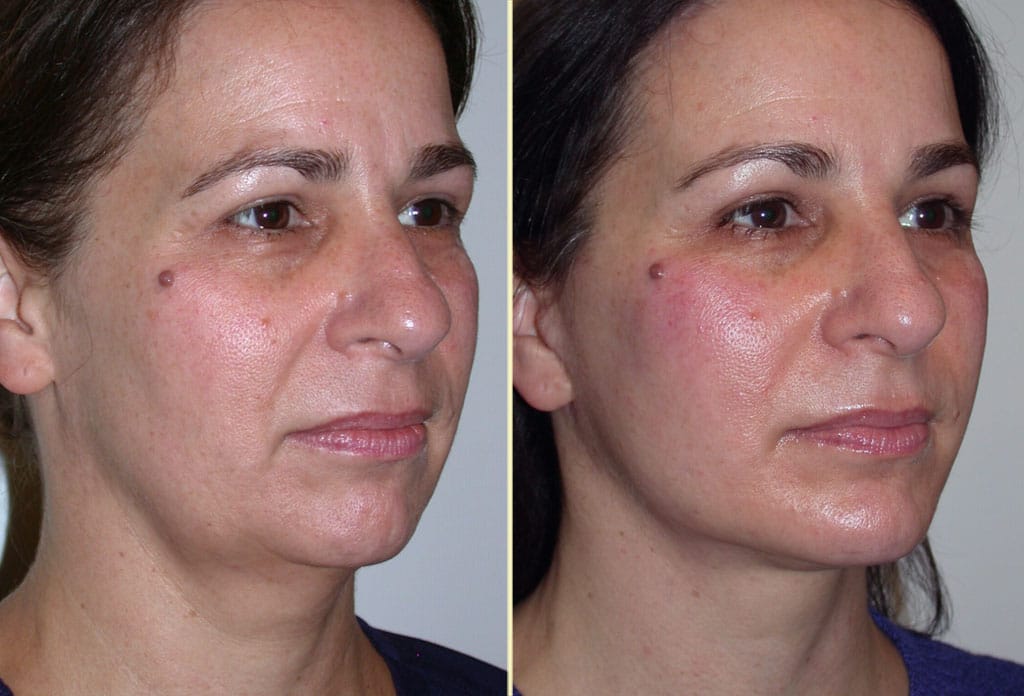
Deep Plane Facelift Patient
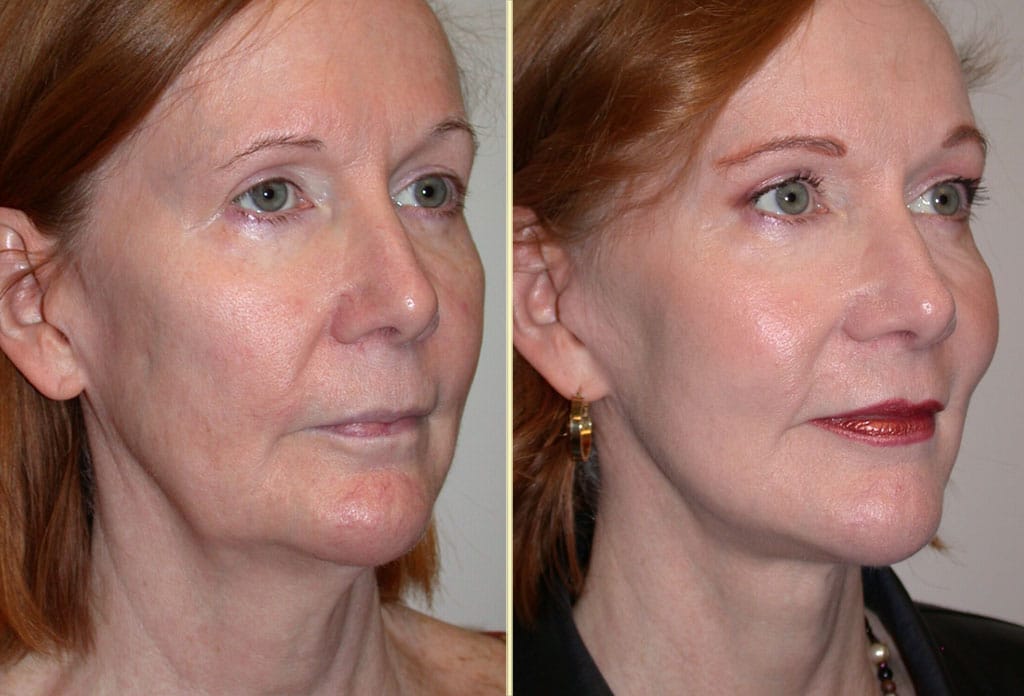
Facelift & Neck Contouring Patient
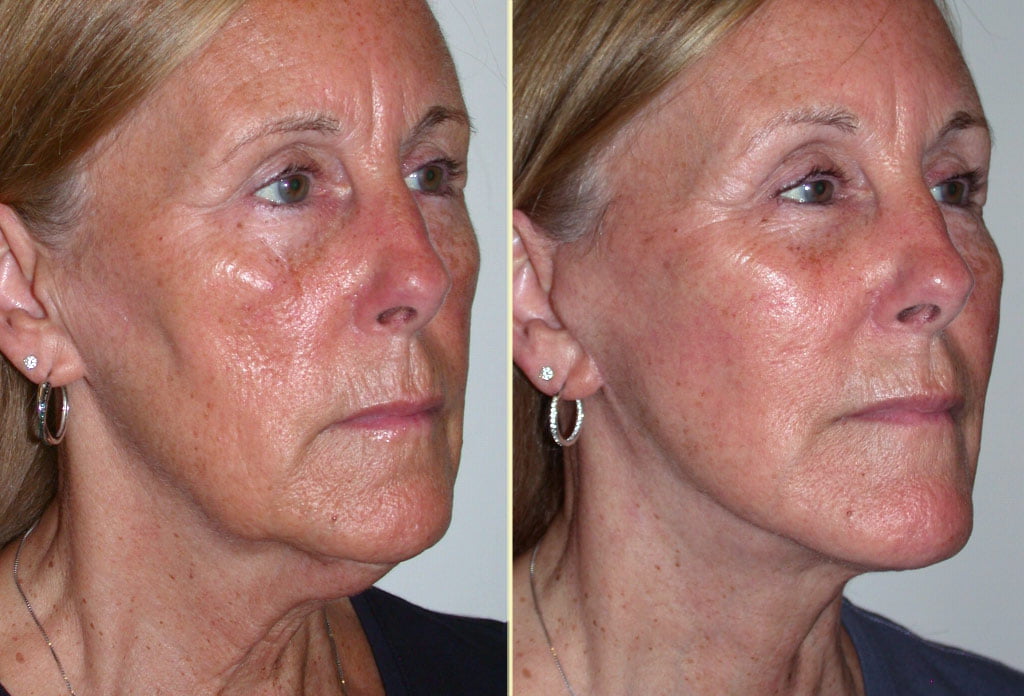
Deep Plane Facelift Patient
*Individual results may vary.
Tailored to You
One face, three depths of correction
Rather than a single fixed operation, Dr. Movassaghi uses a patient-facing framework—recognized by New Beauty magazine—that scales the extent of the lift to what each face actually needs. Every level includes a neck lift.
I
Neck & Jawline
An isolated neck lift for patients with loose skin or muscle laxity below the midface and a strong underlying jawline. The least extensive of the three.
II
Lower Face & Brow
For patients carrying volume or skin above the neck as well, lifting and tightening the neck, jaw, lower face, and brow without addressing the cheeks or eyes.
III
Full Face
The most extensive option, adding eyelid surgery and a brow lift to enhance the entire face. For patients seeking the fullest correction in a single procedure.
Choosing a level, and confirming whether the deep plane approach is right for you, happens together at your consultation.
For the full procedural detail, including surgical times, recovery windows, and candidacy for each level, see our complete facelift overview.


Your Surgeon
Dr. Kiya Movassaghi
A surgeon Portland patients recognize
Harvard MD + DMD, board-certified FACS. Medical and dental degrees from Harvard, with maxillofacial surgical training, ABPS board certification, and Fellowship in the American College of Surgeons, reflecting an uncommon depth of expertise in facial anatomy.
Deep plane, performed routinely. Releasing retaining ligaments and repositioning deep fat pads is demanding, technique-dependent work. It is a routine part of Dr. Movassaghi’s facial practice — not an occasional add-on.
Past President of The Aesthetic Society. Director of a Society-endorsed surgical fellowship, actively teaching the next generation of facelift surgeons.
Portland academic roots. Clinical Assistant Professor in the Division of Plastic and Reconstructive Surgery at OHSU in Portland — an academic connection to the community he serves.
For Portland Patients
The trip from Portland, handled thoughtfully
Traveling for surgery is common, and we have built the process around making it feel routine rather than daunting.
1
Start virtually.
Begin with a virtual consultation from home to explore whether the deep plane approach fits your goals.
2
Plan the visit.
Our team coordinates scheduling and shares directions and logistics for the drive down from Portland.
3
Surgery in Eugene.
Your procedure takes place at an accredited Eugene surgical facility, with clear pre- and post-op guidance.
4
Recover with support.
We help you plan local recovery time and stay in close contact throughout your healing.
Call our office at 541-686-8700 or visit our out-of-town patient guide for more information.


★★★★★
“I couldn’t recommend Dr. Movassaghi more. He’s kind, funny, and very talented. I opted for a local surgeon rather than traveling abroad and researched many before and afters all over before making a decision. I wanted someone close to home who I could call if anything went wrong… Dr. Movassaghi was highly recommended by my community for the best healed scars and most satisfied patients so I set up a consultation.”
FAQs
Questions Portland patients ask
What is a deep plane facelift?
A deep plane facelift lifts the skin, fat, and SMAS layer of the face together as a single unit and releases the retaining ligaments that hold facial tissues in place. Because it repositions the deeper structures rather than pulling on the skin, it can address midface descent and deeper folds while keeping a natural appearance in motion.
How is it different from a SMAS facelift?
A SMAS facelift tightens and repositions the superficial muscular layer while generally leaving the deeper ligaments intact. A deep plane facelift works beneath that layer, releasing the ligaments for more structural repositioning. The deep plane approach is often chosen for more advanced aging, while a SMAS lift may suit earlier or more moderate changes. The right choice is often anatomy-dependent.
How far is Dr. Movassaghi’s practice from Portland?
His practice, Movassaghi Plastic Surgery, is in Eugene, Oregon, just under two hours south of Portland Metro by car. Many patients begin with a virtual consultation and travel to Eugene only for the pre-op appointment and procedure itself, with scheduling and logistics coordinated by our team.
Am I a candidate for a deep plane facelift?
Good candidates typically have noticeable skin laxity, jowling, or midface volume loss and are in good general health. Candidacy is determined during your consultation, where Dr. Movassaghi reviews your anatomy and goals and discusses whether the deep plane technique, another facelift approach, or a non-surgical option is the best fit.
What is recovery like?
After a deep plane facelift, swelling and tightness generally ease over roughly two to three weeks, with continued improvement in the weeks that follow. Your exact timeline depends on the extent of your procedure. We provide detailed recovery guidance and stay in contact throughout healing.
How long do results last?
Because a deep plane facelift repositions deeper structural layers rather than relying on skin tension, results are generally long-lasting. Aging continues naturally over time, and individual results vary. Your consultation is the place to set realistic expectations for your results.
Start with a conversation, not a commitment
A consultation is where your anatomy, your goals, and the right technique come together. Portland patients are welcome to begin virtually.