
Here’s what happens to the nipple-areola complex after breast augmentation
Breast augmentation can achieve a variety of goals, including increasing breast size, improving symmetry and shape, and restoring volume—benefits which make it a favorite choice among patients looking to boost body confidence. It is currently the second most common plastic surgery procedure in the US.
The focus of breast augmentation is often on the size and shape of the breasts, but breast surgery can also impact the nipple-areolar complex (which includes the nipple plus the pigmented skin around it). Changes to the nipple-areolar complex can be planned as part of your procedure or occur after breast surgery; understanding what to expect can help you have realistic expectations and help your recovery go smoothly.
Here, Eugene breast surgery specialist Dr. Kiya Movassaghi explains potential changes to the nipple-areolar complex, how to optimize healing, and tips for maintaining nipple health. Whether you are considering breast augmentation or have already undergone your procedure, we hope this post will provide you with valuable insights into nipple-areolar complex care and health after surgery.
Nipple-areolar complex changes after breast augmentation
Post-surgical appearance and sensation changes to your nipple-areolar complex may be incidental or planned, as well as temporary or permanent. Your plastic surgeon should discuss the potential outcomes associated with your individual treatment plan in detail during your consultation. Since this is such a complex and sensitive area, and each patient has unique anatomy and physiology, choosing a board certified plastic surgeon who is also a breast surgery specialist is essential.
Changes to nipple-areolar complex placement and size
Breast augmentation can be used to improve the appearance of your nipple-areola complex, including changing the size, shape, and/or position. Depending on your goals, Dr. Movassaghi can work to preserve the natural appearance of your nipple-areola complex or use a number of breast lift incision techniques to modify your breast appearance to your liking. Patients commonly request a decrease in the size of their areolas, as well as vertically boosting the entire complex to a more youthful position.
Correction of inverted nipples
Breast augmentation may also be used to treat inverted nipples—a small added incision can be employed to release the inversion; the added volume of breast implants can also help push the nipples outwards.
Changes in nipple sensitivity
Breast augmentation patients often ask about how surgery might affect their nipple sensitivity. In the immediate postoperative period, it is fairly common for patients to experience some degree of decreased nipple sensitivity. Other patients may experience increased sensitivity or pain due to the nerve regeneration process. Thankfully, these postoperative changes in nipple sensitivity are usually temporary and sensation typically returns in time.
In rare cases, nerve damage may occur during the surgery, leading to permanent changes in nipple sensation. (Dr. Movassaghi has a deep understanding of breast anatomy and employs the most advanced surgical techniques to minimize your risk of this adverse side effect.)
Post-surgical areolar scars
Using periareolar incisions to place breast implants and/or achieve a lifted appearance can result in scars around the nipple-areolar complex. The extent of this scarring will vary depending on the surgical technique used, but when this approach is necessary, it usually involves an incision encircling the areola. During healing, this may cause the nipple-areolar complex border to appear raised or uneven, but these changes usually subside as your tissues heal. Carefully following all aftercare instructions will promote optimal incision healing, leading in time to faint, minimal scars that blend in with your features.
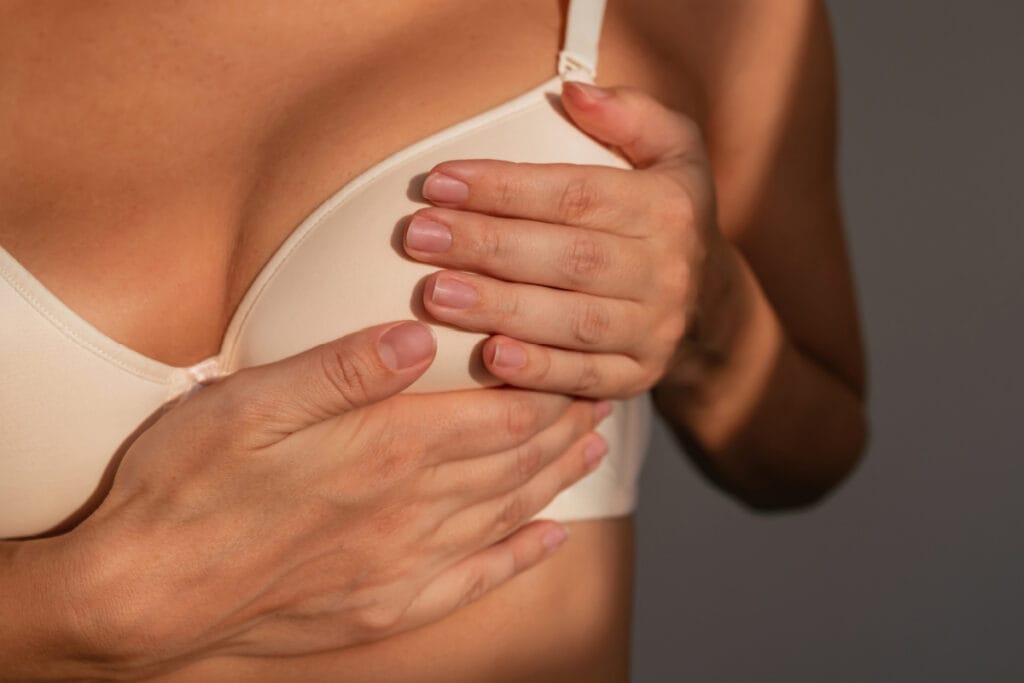
Breast augmentation techniques to minimize changes to the nipple-areola complex
Dr. Movassaghi takes special care to minimize changes to the nipple-areolar complex during breast augmentation, choosing inframammary incisions when possible to reduce visible scarring and preserve nipple sensation (inframammary incisions are well hidden within the crease under each breast). During your breast augmentation consultation, Dr. Movassaghi will discuss your goals and concerns to ensure he understands your expectations and can use the most appropriate surgical techniques to support your desired outcome.
Tips for nipple care and maintaining nipple health after breast augmentation
Caring for your nipple-areolar complex after breast augmentation surgery is integral to optimal healing and reducing the risk of complications.
Some tips for maintaining nipple-areolar complex health after breast surgery include:
- Keep the nipple-areolar complex clean and moisturized. After bandages have been removed and you are cleared to resume regular cleansing of the area, use a gentle cleanser to keep the area and surrounding skin clean; you may also be instructed to apply scar care gel or moisturizing products appropriate to your stage of healing. Avoid using harsh movements or products that can irritate healing tissues.
- Protect the nipple-areolar complex from excessive heat or cold. Avoid exposing this area to extreme temperatures, such as hot showers or cold weather, as this can increase discomfort or irritation while healing from surgery.
- Wear a supportive bra. Immediately after surgery, you will be provided with a soft, supportive bra especially designed for the postoperative phase; this will help minimize discomfort and reduce the risk of complications. After initial healing is complete, you will be cleared to switch to more typical supportive bra styles—just be sure to get properly sized by a professional: it’s important to choose a bra that both properly fits your new shape and provides adequate support.
- Monitor nipple-areolar complex appearance and sensitivity. Keep an eye on the appearance and sensitivity of the nipples and surrounding skin. If you notice any changes, such as redness, swelling, or discharge, contact your plastic surgeon for an evaluation.
- Maintain a healthy lifestyle. Eating a healthy diet and staying hydrated can help promote optimal healing and reduce the risk of complications. You must also avoid smoking and vaping, as this can impair healing and increase the risk of complications.
If you have any concerns about nipple-areolar complex health or other breast-related symptoms, don’t hesitate to contact your surgeon. With proper care and attention, you can enjoy the benefits of breast augmentation and maintain optimal nipple-areolar complex health for years to come.
Breast augmentation specialist in Eugene, OR
Choosing a breast augmentation specialist is essential to ensure your procedure is performed safely and you enjoy ideal results. As a board-certified plastic surgeon, Dr. Kiya Movassaghi stays abreast of the latest surgical techniques, technologies, and safety protocols. A nationally recognized expert in breast surgery, Dr. Movassaghi has also written numerous peer-reviewed scientific articles related to breast surgery and is the editor of Shaping the Breast: A Comprehensive Approach in Augmentation, Revision, and Reconstruction. He thoroughly understands the potential risks and complications associated with breast surgery and provides his patients with comprehensive pre- and post-operative care to minimize these risks.
Patients in Eugene and the surrounding areas can have peace of mind knowing they are in the hands of a skilled and experienced plastic surgeon dedicated to achieving the best possible outcomes. To schedule your personal consultation with Dr. Movassaghi, contact us online or call us at (541) 686-8700.